Posts

Showing posts with the label Contraception

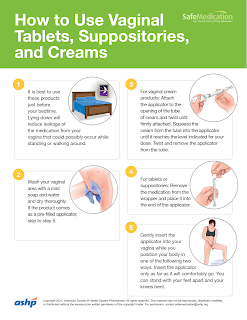
Vaginal Route

Image
Introduction A range of vaginal dosage forms are currently available and used in practice. These include Vaginal pessaries (suppositories, tablets and capsules) Liquids (vaginal solutions, emulsions and suspensions) Semi-solids (creams and gels) Vaginal films Vaginal rings Tablets for vaginal solutions and suspensions Gaseous preparations (sprays and foams) Medicated vaginal tampons Indications This route of drug administration is Intended for a range of local effects . Treatment of vaginal infections (e.g. bacterial, viral and fungal ). Local delivery of hormones for labour induction. Contraception via the delivery of spermicides. Bypassing first-past (presystemic) metabolism Commercial vaginal progesterone as part of the assisted reproductive technology treatment program for infertile women Oestradiol for the development of uterine lining to combat vaginal atrophy in postmenopausal women (hormone replacement therapy) Disadvantages The vaginal route is sex-specific in nature. Can af...

Missed Dose Management

Introduction The vast majority of patients occasionally miss a dose of their medication. Hence, it seems logical to counsel patients on what to do about a missed dose at the time of dispensing. General Advice In general, always look first in the manufacturer's Patient Information Leaflet (PI) or Consumer Medicine Information (CMI) . They may have a section entitled "What to do if you miss a dose". If the information is not available, you may then follow: If the dose is less than 2 hours late, take the missed dose as soon as they remember, and resume the next dose at usual time. If the dose is more than 2 hours late, the advice depends on how often the medicine is taken. If taken once or twice a day, patient should usually take the dose as soon as they remember as long as the next dose is not due within a few hours. Patients should then continue taking the medicine at the usual times. If taken more often than twice a day, it is usually safer to omit the missed dose, and...

Combined Oral Contraceptives

Introduction Most COCs contain the oestrogen ethinyl estradiol (EE) and a progestin (e.g. norethisterone, levonorgestrel, drospirenone). There are different formulations of COCs. Monophasic COCs have the same dose of oestrogen and progestin throughout the pill pack. Biphasic, triphasic and quadriphasic pill packs mimic the oestrogen and progesterone levels during a menstrual cycle . NOTE: COCs containing levonorgestrel and norethisterone have been used for many years and are associated with a lower risk of VTE than other COCs. Drospirenone is structurally related to spironolactone; it has progestogenic, antiandrogenic, and anti-mineralocorticoid activity. There is no evidence that a certain type of progestin in a COC formulation is any more effective in treating hyperandrogenic symptoms, such as acne or hirsutism, than another type. In patients with conditions requiring chronic therapy with medications that may increase potassium, monitor serum potassium during the first treatment...

Contraception

Image
Introduction The rationale of contraception is to prevent an unintended pregnancy . According to 2011 data , about 45% of pregnancies are unintended in the United States, with about 42% of those resulting in abortions. NOTE: Contraception should generally be continued for 1 year after the last period if >50 years (for 2 years if <50). Contraceptive Methods There are many factors in selecting contraception. Effectiveness Importance of not being pregnant Likelihood and ability to adhere Frequency of intercourse Age Cost and ability to pay Adverse effects Perceptions, misperceptions, risk-benefit Concomitant drug use Health status and habits Patients' preference Women with comorbid medical conditions (e.g. thromboembolic disease, hypertension , diabetes , HIV infection, obesity , pelvic infection and seizure disorders) should be offered contraceptive methods in accordance with the WHO Medical Eligibility Criteria for Contraceptive Use or other relevant guidelines (e.g. The Un...