Posts

Showing posts with the label Female

Endometriosis

Introduction Endometriosis is a common gynaecologic condition that affects females during their reproductive years, defined as the growth of endometrial tissue outside the uterus . Clinically, endometriosis can cause several symptoms with the most common being dysmenorrhea , chronic pelvic pain, dyspareunia and infertility. However, a patient can remain asymptomatic. Management Medical management of endometriosis-related pain is non-specific and aimed at alleviating symptoms. First-line treatment options include Paracetamol or NSAIDs A 3-month trial with or without hormonal therapies is recommended. Continuous administration of combined hormonal contraceptives or progestin alone (e.g. dienogest, norethisterone and medroxyprogesterone). Oral progestogens are indicated if there is a contraindication to oestrogens and long-acting progestogens. Patient acceptability of oral progestogens is poor due to the adverse effects such as breast tenderness, irregular bleeding and headaches. The ...
Primary Dysmenorrhoea

Image
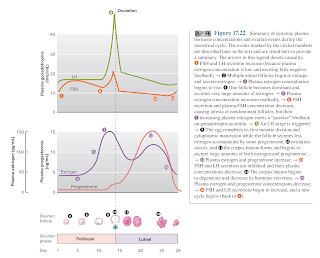
Menstrual Cycle Menstruation spans the years between menarche to menopause . Typically, this will last 30 to 40 years, starting around the age of 12 and ceasing around the age of 60. The menstrual cycle usually lasts 28 days , but this can vary and last any time between 21 and 45 days. Menstruation itself lasts between 3 and 7 days. Individuals can also exhibit differences in menstrual cycle length and blood flow. Symptoms Primary dysmenorrhoea is defined as menstrual pain without organic pathology (such as endometriosis , uterine fibroids, ovarian cysts, pelvic anatomic abnormalities or infection). A typical presentation is of lower abdominal cramping very shortly before (6 hours) or within 24 hours of the onset of menses and rarely lasts for more than 3 days. Pain may radiate to lower back, groin and upper thighs. Commonly associated symptoms include fatigue, back pain, nausea and/or vomiting and diarrhoea. Severe symptoms may result in school and work absenteeism and/or limitation...

Polycystic Ovary Syndrome

Introduction Polycystic ovary syndrome (PCOS) is a heterogenous disorder characterized by a combination of clinical and/or biochemical hyperandrogenism, ovulatory dysfunction and/or polycystic ovarian morphology. Additional features or associated conditions include obesity , hyperinsulinemia and infertility . Consider the possibility of PCOS in females presenting with menstrual disturbance, hirsutism or premenopausal alopecia . It is the most common endocrine disorder in women of reproductive age. Clinical Presentation Clinical presentation varies, with some women being asymptomatic and other women presenting with multiple dermatologic, glynaecologic and/or metabolic manifestations. Women with PCOS typically present with Clinical hyperandrogenism including hirsutism, acne and androgenetic alopecia . Ovulatory dysfunction including abnormal menses and infertility Obesity Management Therapy is individualized based on clinical presentation and patient goals, such as desire for pregnancy...

Menopause

Image
Introduction Menopause is a physiologic event characterized by loss of ovarian activity and permanent cessation of menses , diagnosed after 12 consecutive months of amenorrhea. The median age at which menopause occurs is 51 years, with a normal range of 45 to 55 years. Symptoms Symptoms of menopause occur in 75% of females and are moderate to severe in 28%. Symptoms may start during perimenopause (menopausal transition) and last, on average, 7 to 10 years. Vasomotor symptoms (hot flushes and night sweats) predominate in perimenopause, but urogenital symptoms become more common with age. Hot flashes Typically begin as the sudden sensation of heat centred on the upper chest and face that rapidly becomes generalized. The sensation of heat lasts from 2 to 4 minutes, is often associated with profuse perspiration and occasionally palpitations, and is sometimes followed by chills and shivering, and a feeling of anxiety. Hot flashes usually occur several times per day , although the range may...